

If you’re searching for book recommendations with complex magic systems, you’re not just looking for spells and explosions. You’re looking for structure. Rules. Consequences. Systems that feel like they could exist.
Some fantasy books treat magic as mystery. Others treat it like science, philosophy, or even code.
This guide breaks down the most complex magic systems in fantasy, why they work, and which books to start with.
What Is a Magic System in Fantasy?
A magic system is the set of rules that governs how magic works in a fictional world.
At its simplest, it answers three questions:
- Who can use magic?
- What can it do?
- What are the limits or costs?
Not all magic systems are created equal.
- Soft magic systems (like in Tolkien) are mysterious and undefined.
- Hard magic systems (like in modern epic fantasy) are structured, rule-based, and often explained to the reader.
The more defined the rules, the more readers can predict outcomes, understand stakes, and engage with the logic of the world.
But here’s the tension: The more complex the system becomes, the more it risks feeling like a textbook instead of a story.
The best authors balance both.
8 Books That Redefine How Magic Works
1. Structured Magic Systems: Logic and Rules
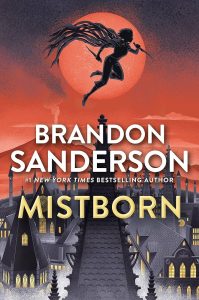
Mistborn: The Final Empire by Brandon Sanderson
If you want a clear example of a hard magic system, start here.
In Mistborn, magic comes from ingesting metals. Each metal grants a specific ability—enhanced strength, emotional manipulation, or the ability to push and pull on metal objects.
It’s precise. Predictable. Limited by resources.
Sanderson’s approach turns magic into a problem-solving tool, where battles feel like strategic puzzles rather than random bursts of power.
2. Expansive Magic Systems: Multiple Layers Interacting
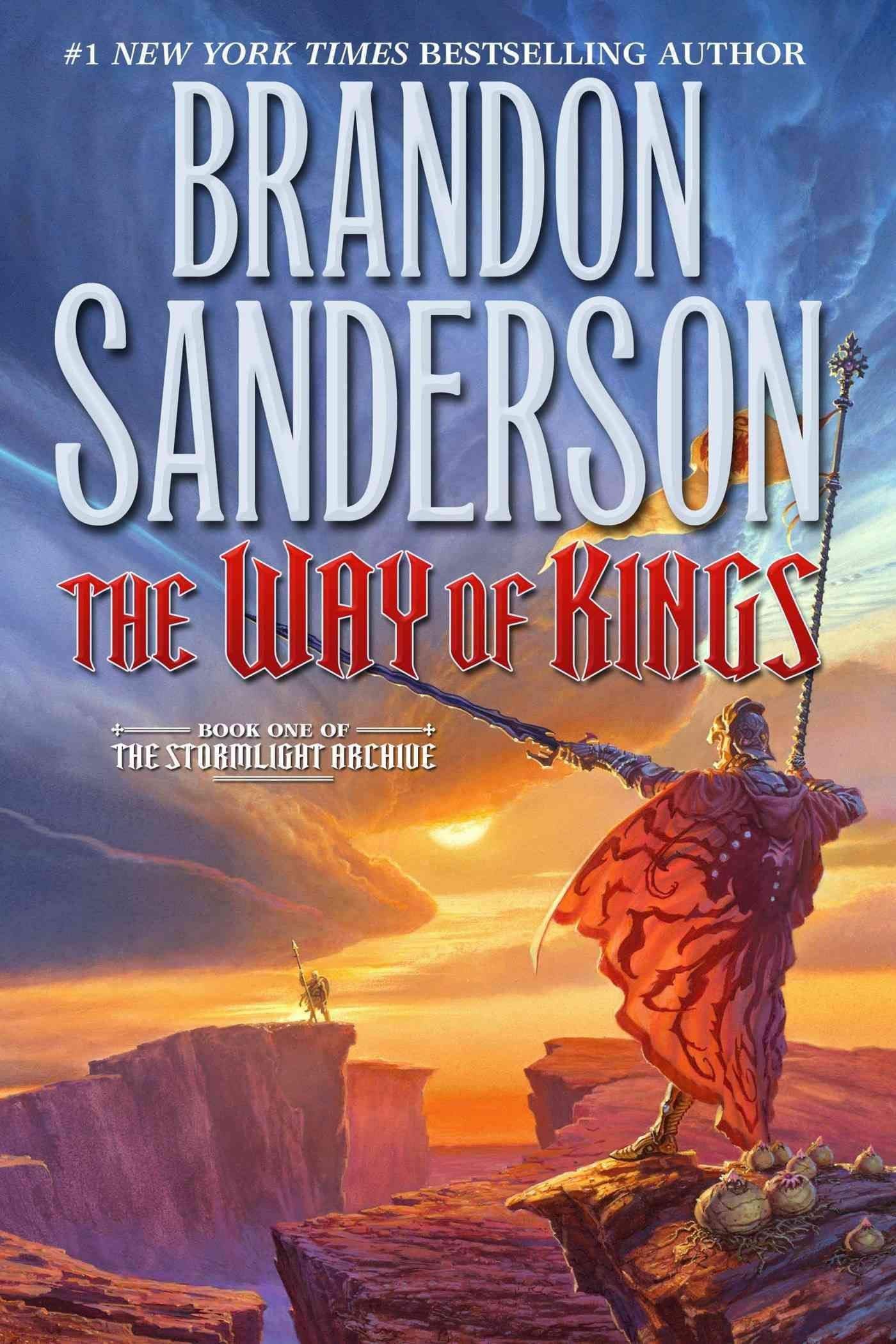
The Way of Kings by Brandon Sanderson
In The Stormlight Archive, Sanderson scales complexity even further.
Magic is more than one system:
- Surgebinding (powers tied to natural forces like gravity)
- Magical technology (fabrials)
- Oaths that restrict or expand abilities
Each layer interacts with the others, creating a fully interconnected magical ecosystem.
This is complexity through expansion, not just rules.
3. Socially Embedded Magic Systems
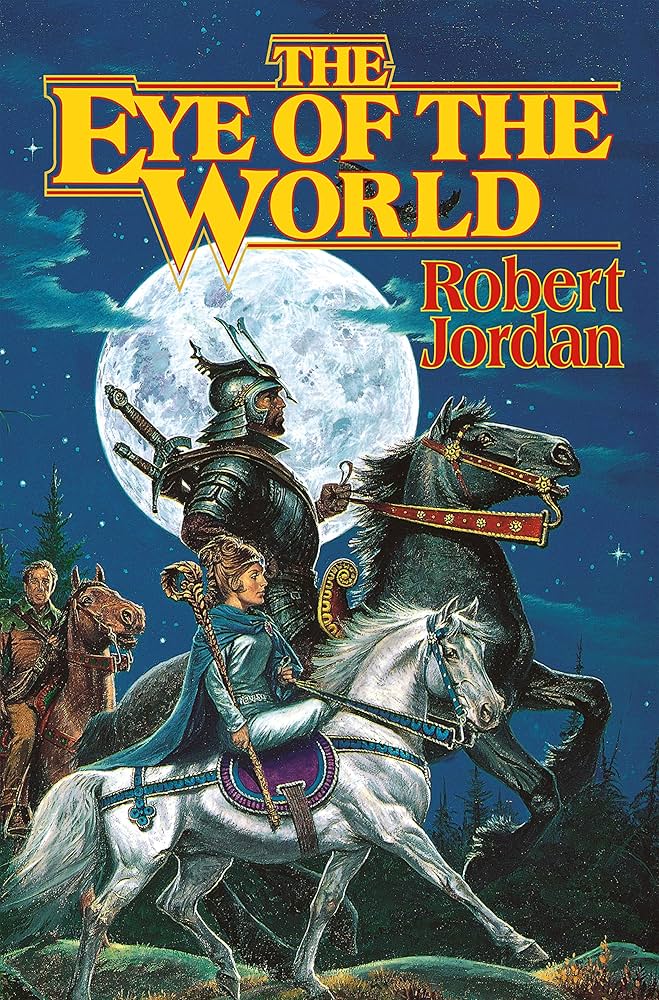
The Eye of the World by Robert Jordan
In The Wheel of Time, magic is divided into male and female halves, each functioning differently.
Users “weave” elemental threads together—but the real complexity comes from social structure:
- Who is allowed to channel
- The risks of corruption
- The political power tied to magic users
This system shows how magic affect individuals and shapes entire societies.
4. Layered and Opaque Magic Systems
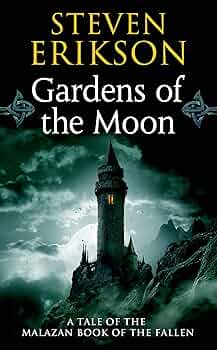
Gardens of the Moon by Steven Erikson
If you want complexity without hand-holding, Malazan Book of the Fallen is the extreme case.
Magic draws from parallel realms called Warrens. Gods, ascendants, and ancient forces all intersect with human magic users.
There’s one catch: You’re not given a guide.
Readers must piece together how the system works over time, making it one of the most demanding and layered magic systems in fantasy.
5. Academic Magic Systems
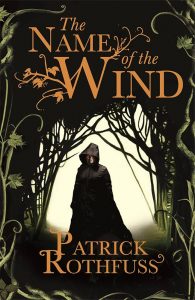
The Name of the Wind by Patrick Rothfuss
What if magic worked like a university subject?
In The Kingkiller Chronicle, magic is studied, tested, and regulated.
Sympathy acts like energy transfer between linked objects
Naming requires understanding the true essence of things
This creates a system that feels intellectual and dangerous at the same time—magic as discipline, not talent.
6. Physics-Based Magic Systems
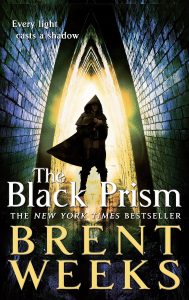
The Black Prism by Brent Weeks
In the Lightbringer Series, magic is based on light and colour.
Users “draft” light into physical substances, each with unique properties:
- Red is flammable
- Blue is rigid
- Green is wild and unstable
But power comes at a cost. Overuse alters the user’s mind and body.
This is complexity rooted in material properties and psychological consequences.
7. Philosophical Magic Systems
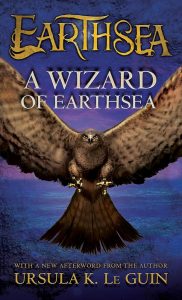
A Wizard of Earthsea by Ursula K. Le Guin
In Earthsea, magic is tied to language.
To control something, you must know its true name. But every spell disrupts the balance of the world.
This makes magic less about power and more about responsibility and restraint.
It’s one of the most conceptually rich systems—simple on the surface, but deeply philosophical underneath.
8. Conceptual Magic Systems: Programming Reality
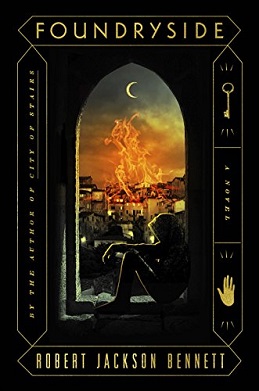
Foundryside by Robert Jackson Bennett
In Foundryside, magic works by rewriting reality itself.
Through coded commands called “scriving,” users convince objects that the laws of physics are different.
A wheel can believe it’s always rolling downhill. A lock can believe it’s already open.
This is one of the most innovative systems in modern fantasy—magic as logic manipulation.
Why Complex Magic Systems Matter
Complex magic systems do more than explain how power works. They:
- Create meaningful constraints
- Turn conflicts into strategic problems
- Reflect deeper themes—science, language, society, or control
But complexity alone isn’t enough.
Some systems become so detailed they slow the story down or overwhelm the reader.
The best magic systems don’t just add rules. They change how you understand the world of the story.
Which Magic System Works Best?
If you’re exploring fantasy book recommendations with deep magic systems, start by asking what kind of complexity you enjoy:
- Logical and rule-based? Try Sanderson.
- Vast and layered? Try Erikson.
- Philosophical and reflective? Try Le Guin.
- Academic and structured? Try Rothfuss.
- Innovative and conceptual? Try Bennett.
Because in the end, the most powerful magic system isn’t the most complicated one.
It’s the one that makes the story impossible to imagine without it.

D.P. Martinez is a contemporary fantasy author specialising in urban fantasy and magical realism. He holds an M.A. in English Literature from the University of Greenwich, where he focused on Literary London. His research explored metaphorical representations of London in urban fantasy. He has written hundreds of articles and several books across both fiction and non-fiction.