
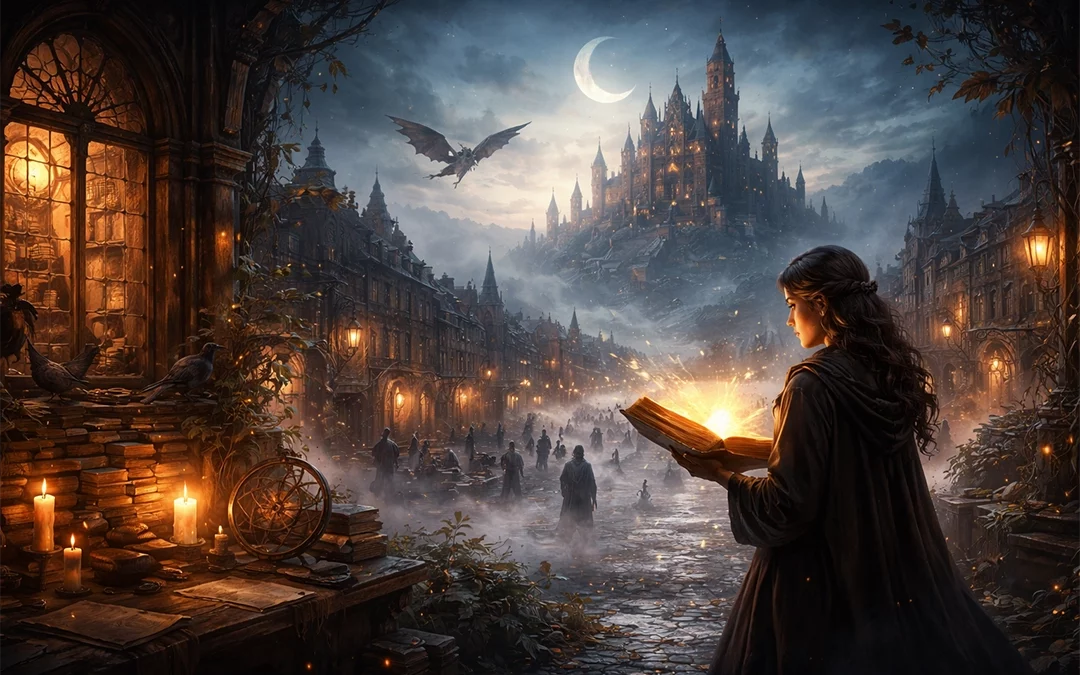
Historical fantasy sits in an interesting space. It borrows the credibility of history—real places, real events, real tensions—and then quietly (or violently) breaks it open. Magic seeps in. Myths become literal. The past stops behaving like a record and starts acting like a story still being written.
That’s exactly why readers keep coming back to it.
What is Historical Fantasy?
At its core, historical fantasy is a hybrid genre that blends real historical settings with speculative elements—magic, folklore, supernatural beings, or alternate realities.
But that definition is too clean.
The better way to think about it is this: historical fantasy asks, what if history was incomplete?
- What if magic once existed—and was forgotten?
- What if myths weren’t metaphors, but misremembered truths?
- What if the version of history we know is just the surface layer?
Some stories keep history mostly intact and add hidden magic (like Jonathan Strange & Mr Norrell). Others rewrite the rules entirely (like Babel). The spectrum is wide—but the tension is always the same: fact vs possibility.
Why Readers Love Historical Fantasy
There’s a reason this sub-genre keeps producing bestsellers and award winners. It taps into something deeper than simple escapism.
1. It makes history feel alive
Textbooks flatten the past. Historical fantasy restores uncertainty. Suddenly, history isn’t inevitable—it’s fragile, shaped by forces we don’t fully understand.
2. It adds emotional depth to real events
War, empire, migration, religion—these themes already carry weight. Add magic, and they become symbolic, heightened, sometimes even more truthful than realism.
3. It reclaims forgotten voices
Many historical fantasy novels revisit history from new perspectives—colonised people, women, outsiders—often using fantasy to expose power structures.
4. It blends familiarity with wonder
Readers recognise the setting—London, Oxford, medieval Russia—but something is off. That tension keeps the pages turning.
5. It asks uncomfortable questions
If magic existed, who controlled it? Who was excluded? Who rewrote the narrative?
That’s where the genre becomes more than entertainment.
Top 10 Historical Fantasy Book Recommendations
Here are ten standout book recommendations that define the genre—across styles, settings, and tones.
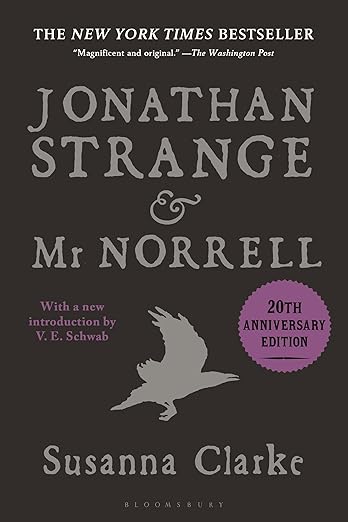
1. Jonathan Strange & Mr Norrell — Susanna Clarke
A dense, immersive novel set in Napoleonic England, where two magicians attempt to restore English magic.
Why read it: It feels like reading an alternate history textbook written by someone who believes magic was real. Rich, layered, and quietly unsettling.
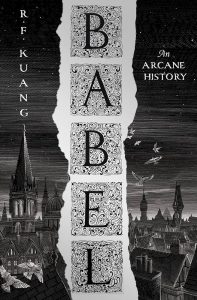
2. Babel, or the Necessity of Violence — R. F. Kuang
In 19th-century Oxford, translation fuels a magical system that sustains the British Empire.
Why read it: Few novels tie magic so directly to power. It’s sharp, political, and forces you to rethink language, empire, and knowledge itself.
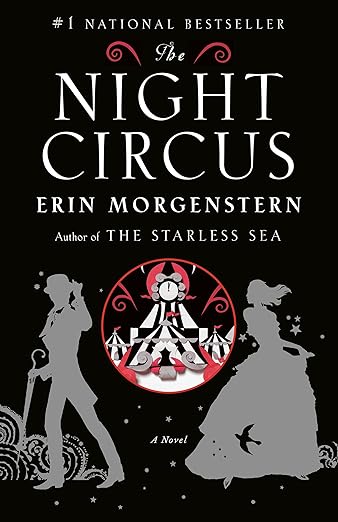
3. The Night Circus — Erin Morgenstern
A mysterious travelling circus becomes the stage for a magical duel hidden in plain sight.
Why read it: If you value atmosphere over plot, this is unmatched. It’s immersive, visual, and almost dreamlike.
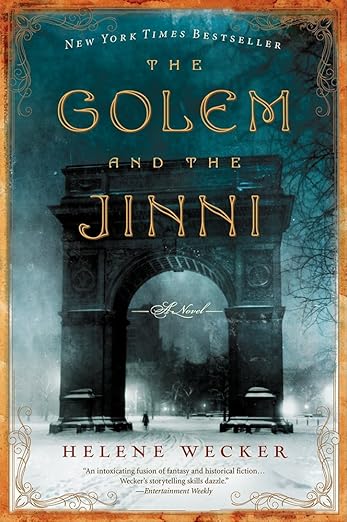
4. The Golem and the Jinni — Helene Wecker
Two mythological beings—one made of clay, one of fire—navigate life in 1890s New York.
Why read it: A rare blend of folklore and immigrant history. It’s quiet, character-driven, and deeply human.
5. The Bear and the Nightingale — Katherine Arden
In medieval Russia, a young girl can see the spirits that protect her village—spirits others have begun to forget.
Why read it: It captures the tension between old beliefs and new religions, wrapped in a harsh, beautifully rendered winter world.
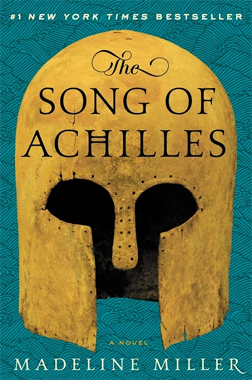
6. The Song of Achilles — Madeline Miller
A retelling of the Iliad focused on Achilles and Patroclus, blending myth with emotional realism.
Why read it: Even if you know the ending, it hits hard. It turns legend into something intimate and devastating.
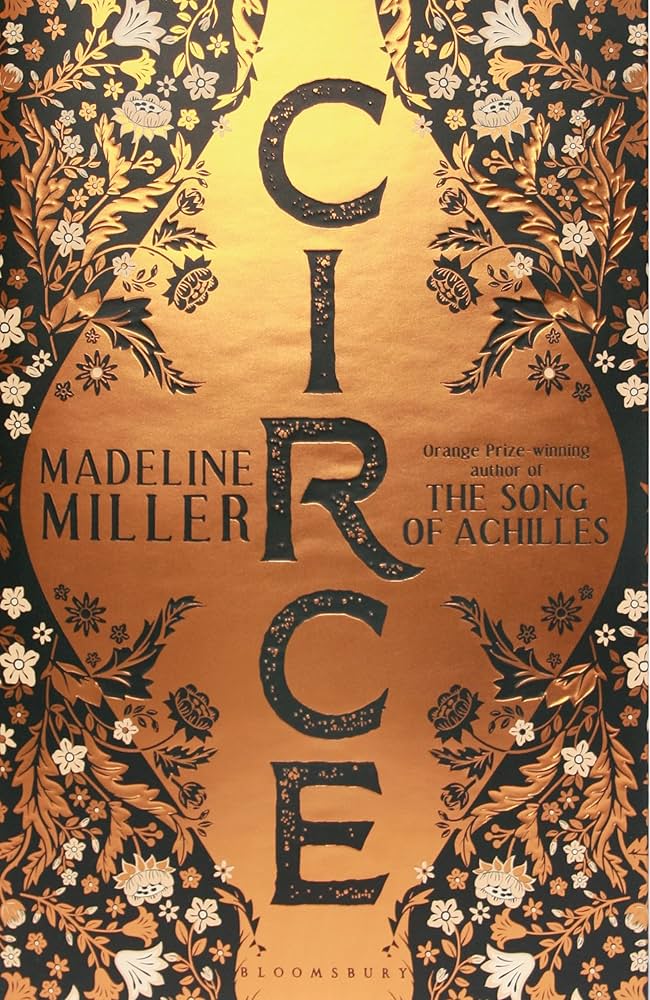
7. Circe — Madeline Miller
The story of Circe, the witch of Greek mythology, reimagined as a woman finding her power in exile.
Why read it: A character-driven take on myth that feels modern without losing its ancient roots.
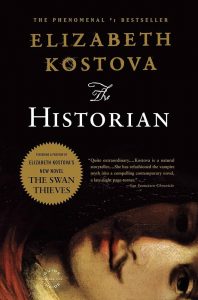
8. The Historian — Elizabeth Kostova
A scholar’s search for Vlad the Impaler turns into a multi-generational pursuit of Dracula across Europe.
Why read it: Blends literary fiction with gothic horror and real historical detail. Slow, but incredibly immersive.
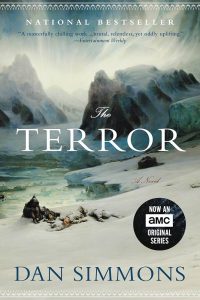
9. The Terror — Dan Simmons
Based on the doomed Franklin Expedition, where something unnatural stalks the ice.
Why read it: A perfect example of history turning into horror. The setting alone creates tension before the supernatural even appears.
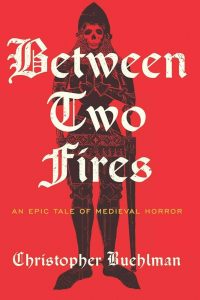
10. Between Two Fires — Christopher Buehlman
Set during the Black Death, where angels, demons, and apocalyptic visions reshape medieval France.
Why read it: Brutal, dark, and unforgettable. It treats religion and horror as two sides of the same force.
So, What Makes a Great Historical Fantasy?
Not all books that mix history and magic feel the same—and that’s the point.
- Some lean toward literary fiction (The Night Circus, The Historian).
- Others lean toward political critique (Babel).
- Some become myth retellings (Circe, The Song of Achilles).
- Others dive into horror and dread (The Terror, Between Two Fires).
The best ones do something more difficult: they make you question whether history was ever stable to begin with.
Historical fantasy works because it challenges a quiet assumption: that the past is settled.
These stories suggest the opposite.
That history is incomplete.
That myths are echoes of something real.
That beneath every documented event, there’s another version—hidden, distorted, or deliberately erased.
And maybe that’s why the genre feels so relevant now.
Because if the past can be rewritten, so can the future.

D.P. Martinez is a contemporary fantasy author specialising in urban fantasy and magical realism. He holds an M.A. in English Literature from the University of Greenwich, where he focused on Literary London. His research explored metaphorical representations of London in urban fantasy. He has written hundreds of articles and several books across both fiction and non-fiction.