
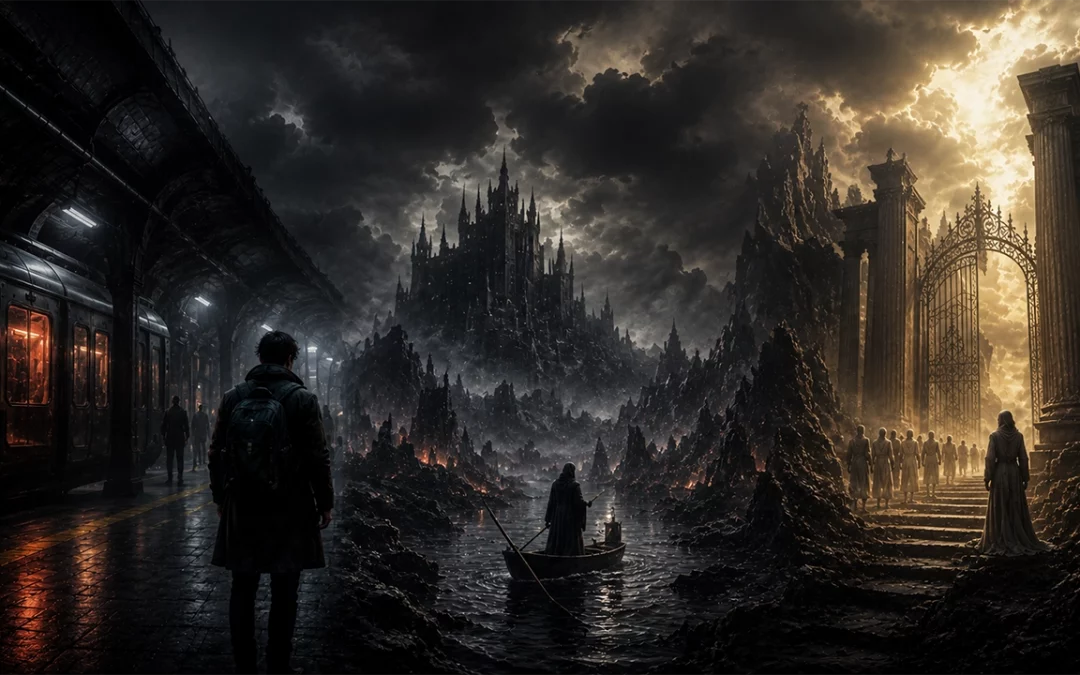
Stories about the underworld have existed for millennia, but contemporary fantasy keeps reshaping what “the afterlife” looks like—and what it means to enter it while still alive.
In some books, the realm of the dead follows strict moral laws. In others, it operates like a system with rules you can learn, exploit, or even break. More recent stories push further, treating the afterlife as something unstable, contested, or deeply tied to human emotion.
What connects the titles below is simple: the protagonists don’t just think about death. They cross into it.
If you’re looking for book recommendations where characters physically visit the underworld or afterlife, these novels offer some of the most compelling takes across classic and modern fantasy.
Classic Underworld Journeys in Literature
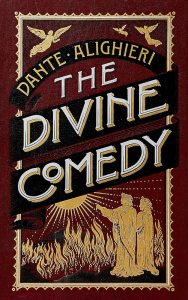
The Divine Comedy – Dante Alighieri
Dante’s journey through Hell, Purgatory, and Heaven remains the foundation for nearly every underworld narrative that followed. Guided through a carefully structured afterlife, he encounters punishments and rewards that reflect moral choices made in life.
What stands out is how tangible the journey feels. The underworld is not abstract. It has geography, hierarchy, and logic. That sense of a mapped afterlife continues to influence modern fantasy, especially stories that treat death as a place you can traverse rather than a mystery you can’t touch.
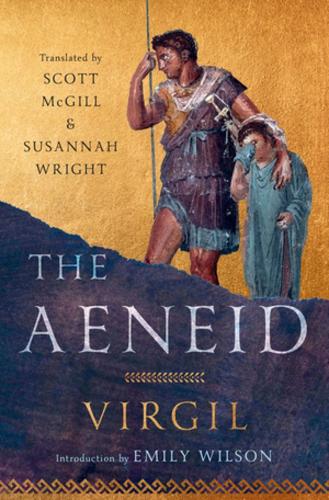
The Aeneid – Virgil
In The Aeneid, Aeneas descends into the underworld to gain knowledge about his fate and the future of Rome. This version of the afterlife functions as a gateway to understanding destiny.
Many modern stories echo this structure. Characters enter the realm of the dead not only to survive, but to uncover truths that cannot be accessed in the living world.
Fantasy Books Where the Afterlife Has Rules
Sabriel – Garth Nix
Sabriel presents one of the most clearly defined underworld systems in fantasy. Death takes the form of a river divided by gates, each one pulling souls further away from life. Necromancers can cross into this realm, using bells to interact with the dead.
The strength of this approach lies in its internal logic. The afterlife operates like a system with rules and consequences. The protagonist must understand those rules to survive, which creates tension grounded in structure rather than abstraction.

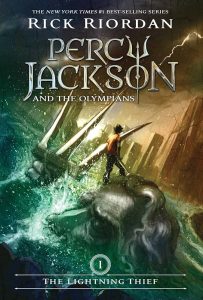
Percy Jackson & the Olympians: The Lightning Thief – Rick Riordan
Rick Riordan adapts the Greek underworld for a modern audience. Percy’s journey into Hades includes familiar mythological elements—judges, fields of punishment, the river Styx—but presented in a way that feels contemporary.
The underworld here reflects systems people recognise: queues, decisions, classifications. That framing makes the setting accessible while preserving the mythic core of the journey.
Stories That Reframe the Underworld
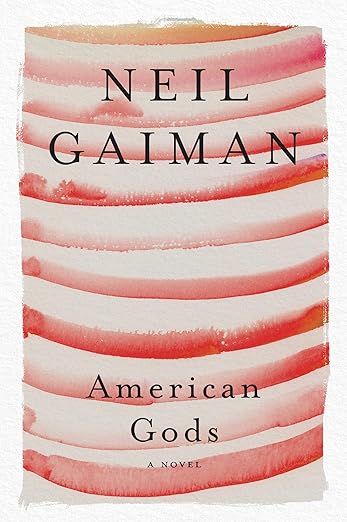
American Gods – Neil Gaiman
In American Gods, the afterlife depends on belief. Different cultures produce different versions of death, and none of them fully dominates.
This creates a fragmented view of the underworld. Instead of a single truth, there are multiple competing realities shaped by human imagination. The result is a world where death reflects cultural identity as much as metaphysical order.

His Dark Materials – Philip Pullman
Philip Pullman’s trilogy presents one of the most unsettling depictions of the afterlife. Living characters enter a land of the dead that feels stagnant and oppressive, with little sense of purpose or progression.
What makes this version distinctive is what happens next. The story does not treat the underworld as fixed. It becomes something that can be challenged and transformed, pushing beyond the idea that the afterlife is untouchable.
Myth Retellings and Emotional Afterworlds
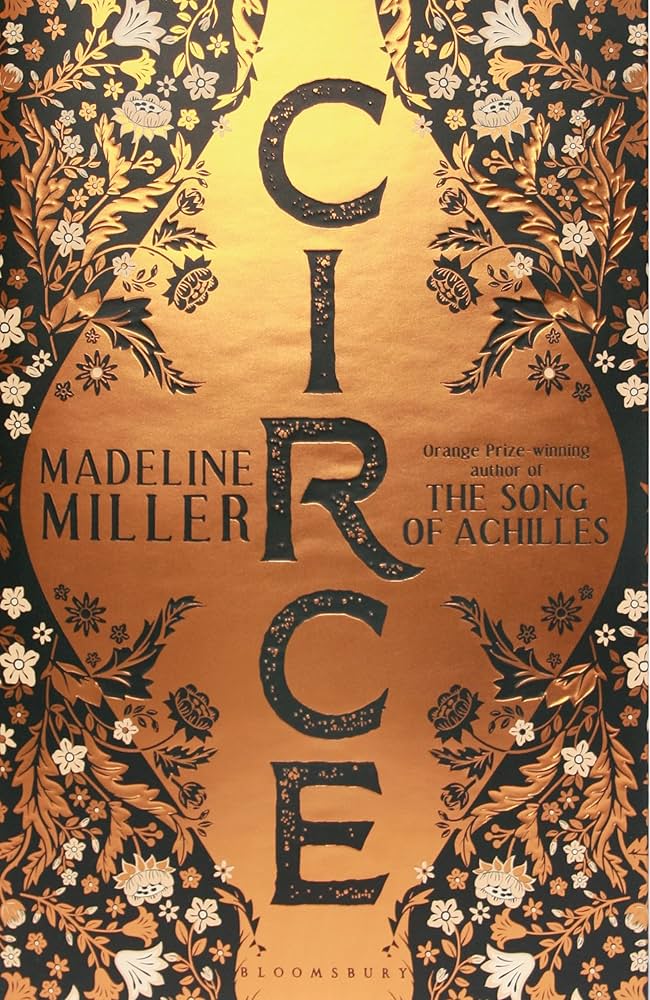
Circe – Madeline Miller
Circe revisits Greek mythology with a focus on character and interiority. Encounters with the underworld are present, but the emphasis falls on relationships, memory, and consequence.
The afterlife in this novel feels distant and weighty. It shapes the emotional landscape rather than dominating the plot. This approach brings the focus back to human experience, grounding mythological elements in personal stakes.
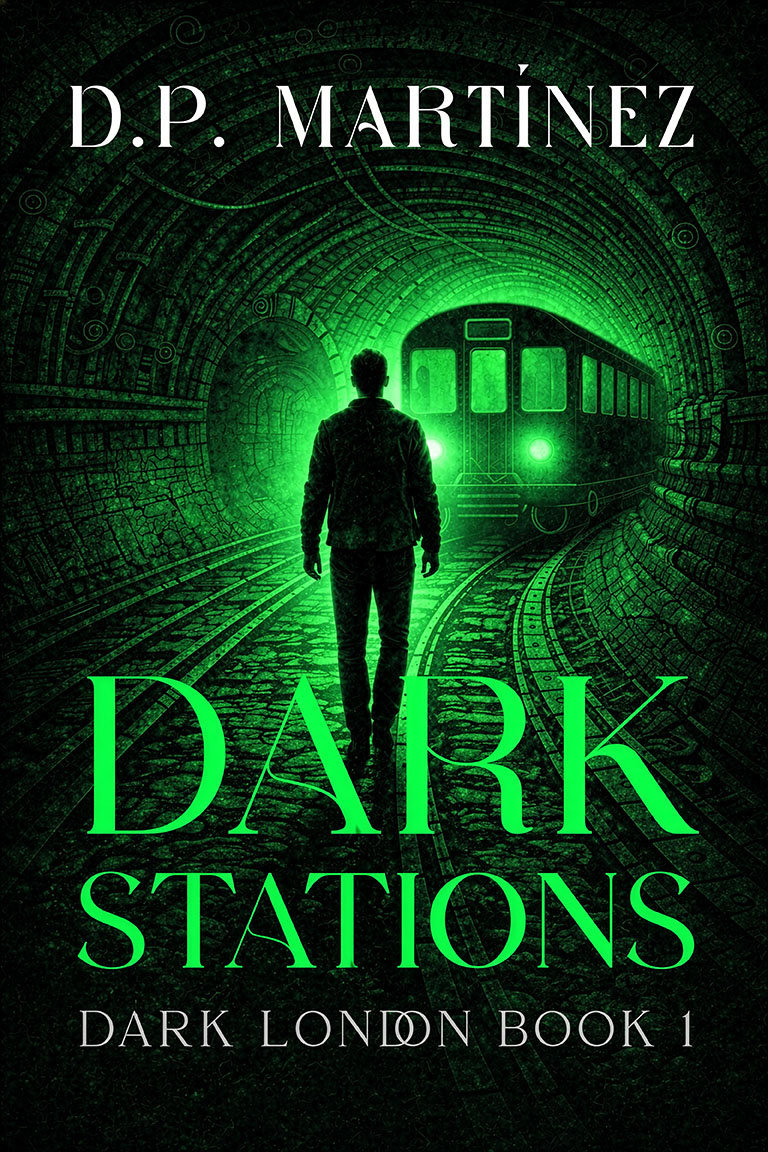
Dark Stations – D.P. Martinez
Dark Stations situates the underworld within the London Underground, blending urban fantasy with psychological exploration. The protagonist is drawn into a network of realms tied to emotional states such as grief, regret, and wrath.
This approach reframes the afterlife as something layered and experiential. The journey is not only about navigating a physical space, but also confronting internal realities shaped by memory and loss.
What These Underworld Stories Have in Common
Across these book recommendations, several patterns emerge:
- The Afterlife as Structure. Some stories present the underworld as an ordered system with clear rules. This appears in The Divine Comedy and Sabriel, where progression depends on understanding how the system works.
- The Afterlife as Knowledge. In works like The Aeneid, the journey into death provides insight that cannot be gained elsewhere. The underworld becomes a source of revelation.
- The Afterlife as Interpretation. American Gods shows how different belief systems create different versions of death. The afterlife becomes plural rather than singular.
- The Afterlife as a Problem. In His Dark Materials, the realm of the dead is something that can be questioned and reshaped, not simply accepted.
- The Afterlife as Experience. Circe and Dark Stations focus on how the presence of death shapes identity, memory, and emotional life.
Why Underworld Journeys Still Matter
Underworld narratives persist because they confront fundamental questions: what happens after death, what meaning can be found in suffering, and whether any system—moral, cultural, or cosmic—should remain unchallenged.
Older stories tend to present the afterlife as a destination with fixed rules. Many modern fantasy novels take a different approach. Characters question what they find, resist it, and sometimes attempt to change it.
That shift reflects a broader change in storytelling. The focus moves from accepting the structure of the world to interrogating it.
These novels demonstrate how flexible the idea of the underworld has become. It can be a moral map, a mechanical system, a cultural construct, or a deeply personal space shaped by emotion.
What remains constant is the act of crossing the boundary. When a living character enters the realm of the dead, the story gains immediate stakes. Survival, meaning, and identity are all put under pressure.
If you’re exploring fantasy that deals directly with death and what lies beyond, these book recommendations offer a strong starting point.
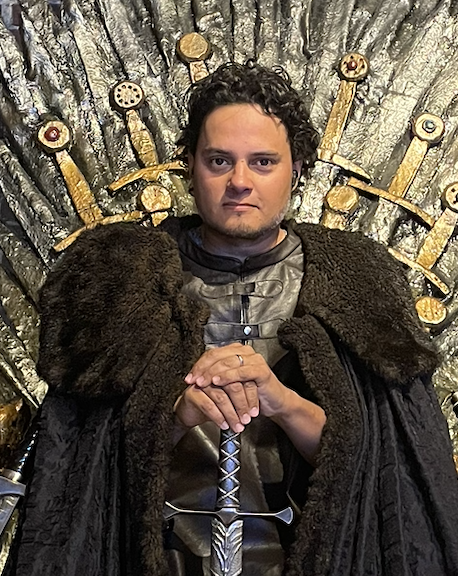
D.P. Martinez is a contemporary fantasy author specialising in urban fantasy and magical realism. He holds an M.A. in English Literature from the University of Greenwich, where he focused on Literary London. His research explored metaphorical representations of London in urban fantasy. He has written hundreds of articles and several books across both fiction and non-fiction.