
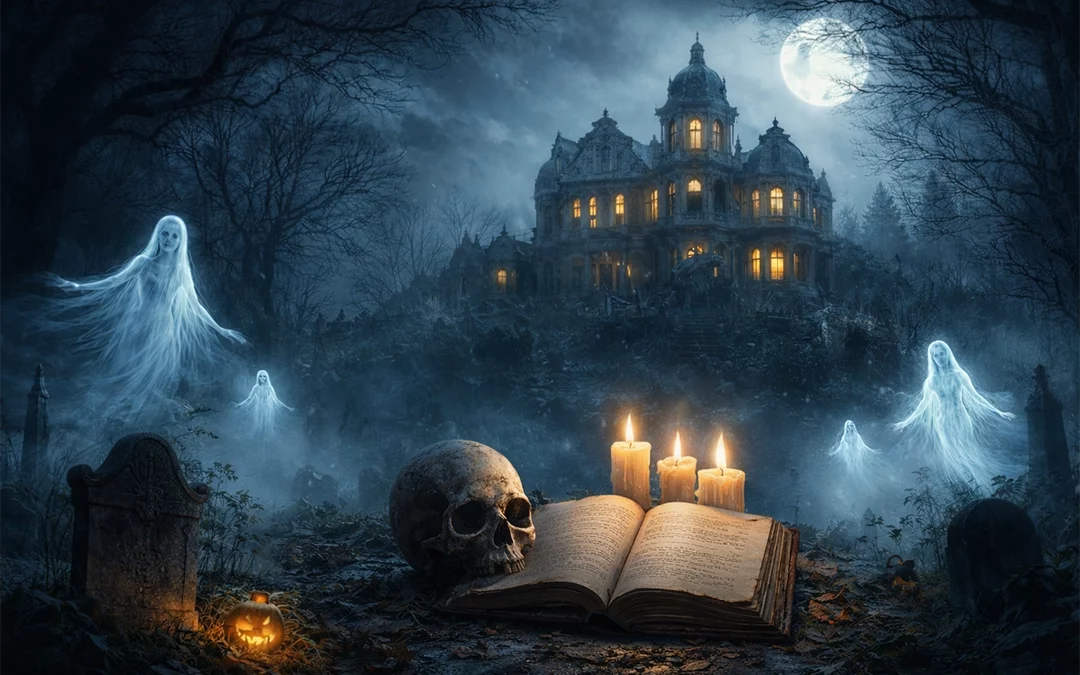
Ghost stories didn’t begin as spooky entertainment. They began as explanations: attempts to make sense of death, memory, and the uneasy feeling that the past doesn’t stay put.
What’s interesting is how consistent that instinct has been across cultures. Different religions, different technologies, same question: what if the dead aren’t finished with us?
Let’s trace where ghost stories come from, then move to the books that carry that tradition forward in contemporary fantasy and speculative fiction.
The origin of ghost stories: fear, memory, unfinished business
Long before stories were written down, people buried the dead with tools, food, and ornaments. Archaeologists read this as evidence of belief in continued presence. Death looked less like an ending and more like a relocation.
Early ghosts weren’t monsters. They were ancestors, warnings, or obligations.
Ancient literature: ghosts as truth-tellers
In the Epic of Gilgamesh, the dead exist in a joyless underworld, stripped of power. Death is the horror, not the ghost.
In Homer’s Odyssey, Odysseus speaks to the shades of the dead. They remember everything. They resent everything. Achilles’ famous lament — that life, even as a servant, beats rule among the dead — reframes ghosts as tragic witnesses rather than threats.
Ghosts appear to tell the living what they’d rather not hear.
Rome invents the haunted house
The first recognisably modern ghost story appears in the letters of Pliny the Younger. A spectre rattles chains in an abandoned house. A philosopher follows it, uncovers forgotten bones, gives them proper burial, and the haunting stops.
That story quietly establishes the formula still used today:
- the ghost signals injustice
- the past has been ignored
- peace comes from acknowledgement, not violence
No demon is defeated. The problem was neglect.
Medieval Europe: ghosts as moral paperwork
Christian theology reframes ghosts as souls in Purgatory. Medieval spirits return asking for prayers, restitution, or confession. These stories weren’t about fear so much as accountability.
If someone comes back, it’s because something hasn’t been settled.
Shakespeare changes everything
In Hamlet, the ghost of Hamlet’s father might be a truthful spirit, a demon, or grief given shape. Shakespeare refuses to clarify.
That ambiguity matters. From this point on, ghost stories become psychological. The question stops being is the ghost real? and shifts to what does believing in it do to us?
The Gothic era: ghosts move indoors
The 18th and 19th centuries pull ghosts into houses, corridors, and family estates. Industrialisation, urban crowding, and declining religious certainty push ghosts into the domestic sphere.
Victorian ghost stories obsess over inheritance, repression, and secrets. Educated characters often dismiss the supernatural, right up until it dismantles them.
Scepticism becomes part of the tension.
Modern fantasy: ghosts as systems
Contemporary fantasy treats ghosts less as random apparitions and more as structured phenomena:
- manifestations of memory
- residues of injustice
- products of magical or bureaucratic rules
Urban fantasy, especially, uses ghosts to explore cities layered with forgotten lives. The ghost becomes a refusal to let history be tidied away.
The Best Ghost Stories in Fantasy Fiction
These books don’t just feature ghosts. They understand why ghosts exist in stories at all.
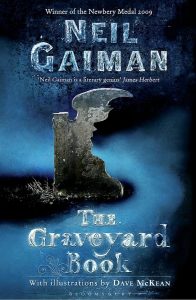
The Graveyard Book — Neil Gaiman
A child raised by ghosts in a cemetery sounds whimsical (and it is) but the book quietly wrestles with mortality, belonging, and growing up among the dead.
It’s a ghost story that doubles as a coming-of-age fantasy.
Lincoln in the Bardo — George Saunders
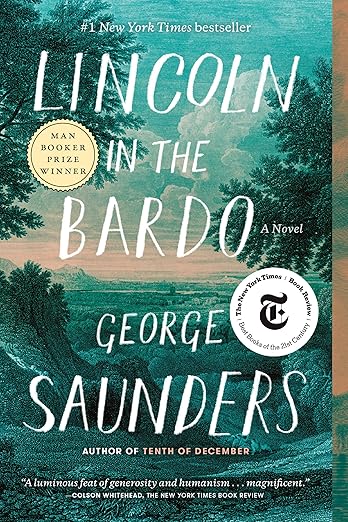
A chorus of ghosts trapped between life and death, clinging to denial. The novel treats haunting as collective refusal to accept loss.
Experimental, funny, devastating. Less fantasy in the traditional sense, but one of the most thoughtful modern ghost novels.
Peace — Gene Wolfe
Often cited as one of the most unsettling ghost stories ever written. Nothing obvious happens. That’s the point. Memory fractures, narration lies, and the reader gradually realises what kind of story they’re in.
A masterclass in quiet dread.

Under the Whispering Door — T.J. Klune
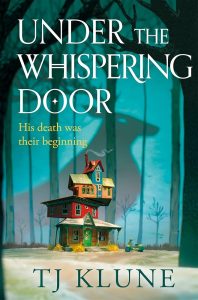
A bureaucratic afterlife, reluctant ghosts, and emotional reckonings. Klune leans into warmth and humour without dodging the harder questions about regret and unfinished lives.
Modern fantasy with a strong moral core.
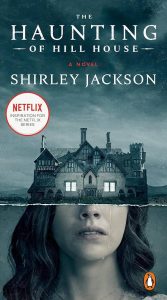
The Haunting of Hill House — Shirley Jackson
Not fantasy in the high-magic sense, but foundational. The house may be haunted, or the characters may be fracturing.
Jackson never commits and that uncertainty still shapes how ghost stories work today.
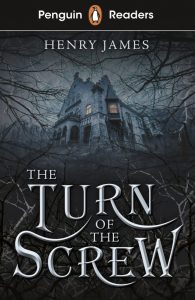
The Turn of the Screw — Henry James
Another ambiguity classic. Are the ghosts real? Are they projections? James builds a story where interpretation becomes the horror.
Essential reading for understanding why ghost stories resist clean answers.
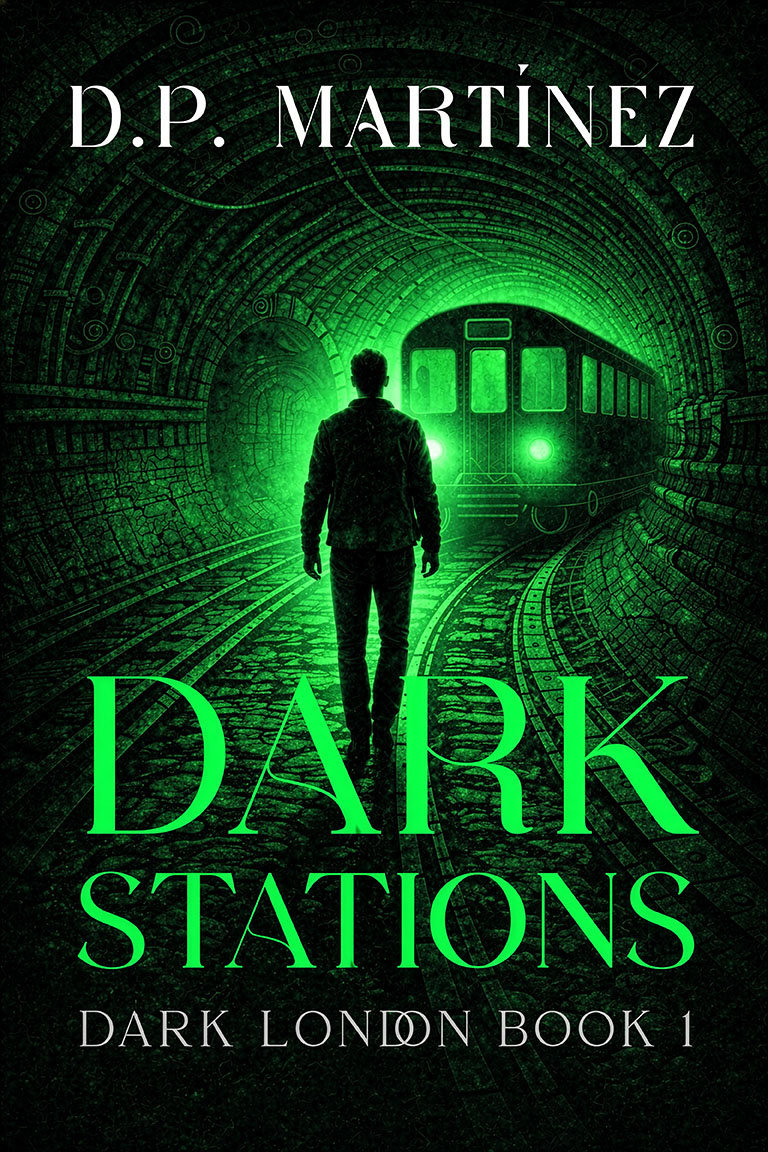
Dark Stations — D.P. Martinez
Ghosts ride the London Underground, boarding at stations that don’t exist. One day, a man steps off with them to search for his dead daughter.
Why ghost stories still matter
Ghost stories persist because they’re never really about ghosts.
They’re about:
- unresolved harm
- memory that refuses erasure
- people and places written out of official history
Whenever a culture tries to move on too quickly, ghosts show up to argue.
That’s probably why fantasy keeps returning to them, not as jump scares, but as reminders that some stories don’t end just because we want them to.
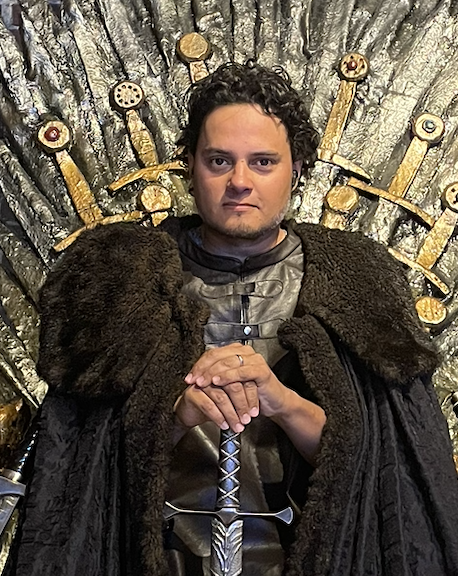
D.P. Martinez is a contemporary fantasy author specialising in urban fantasy and magical realism. He holds an M.A. in English Literature from the University of Greenwich, where he focused on Literary London. His research explored metaphorical representations of London in urban fantasy. He has written hundreds of articles and several books across both fiction and non-fiction.