
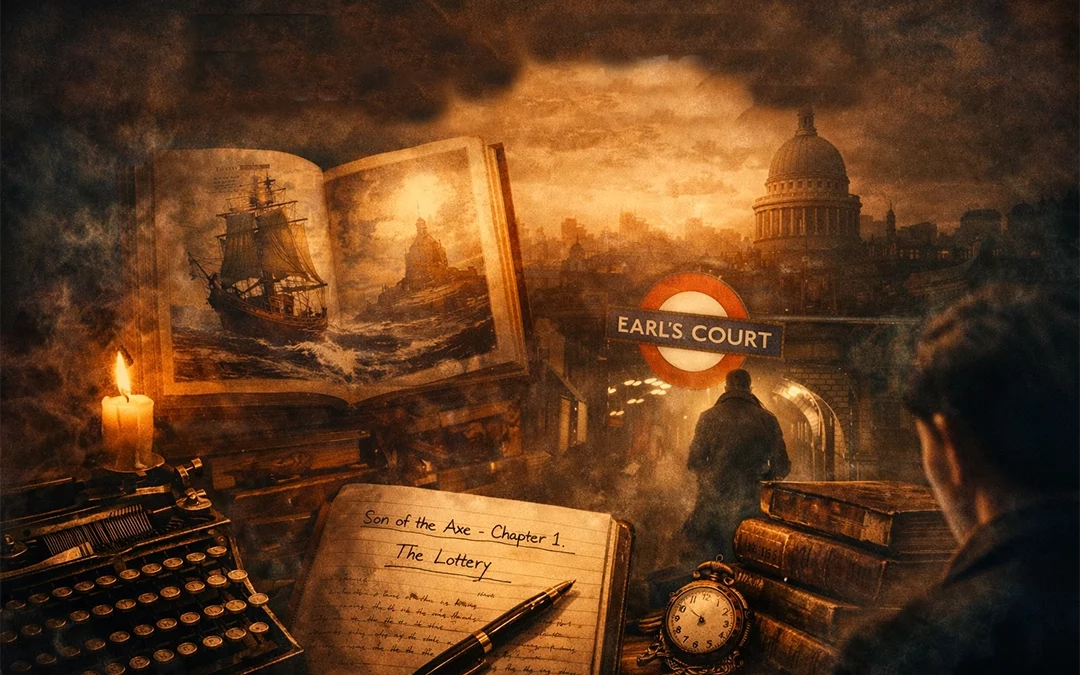
That moment of recognition is what we call a literary allusion.
Put simply, an allusion is an indirect reference to another text, myth, or cultural narrative. The story never announces the connection. Readers who recognise it gain an additional interpretive layer, while readers who do not still experience a complete and coherent narrative. Allusion therefore operates as an optional dimension of meaning rather than as a requirement for understanding the plot.
In practice, allusions do far more than decorate a text with clever references. In many major works, they shape structure, guide interpretation and quietly anchor characters within wider literary traditions.
Examples of Literary Allusions from Famous Books
Ulysses and The Hidden Architecture of Myth
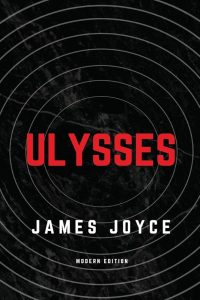
James Joyce’s Ulysses offers one of the clearest examples of large-scale intertextual design in modern literature. The novel unfolds across a single day in Dublin, following Leopold Bloom through apparently ordinary routines. Beneath this everyday surface, however, lies an extensive structural dialogue with
The Odyssey.
Bloom quietly mirrors the wandering hero of classical epic. Episodes correspond to Homeric adventures, and secondary characters reflect figures from the ancient narrative. What makes this especially relevant to the study of allusion is that Joyce never signals this scaffolding inside the novel itself. The Homeric structure became widely known only through Joyce’s later explanations and teaching materials.
Readers can complete Ulysses without ever noticing Homer. Once the parallel is recognised, however, the novel reads very differently. Themes of home, displacement, endurance and identity emerge as part of a long literary lineage rather than as purely modern concerns. Allusion here functions as narrative architecture, shaping the novel’s design while remaining largely invisible to the unprepared reader.
The Waste Land and Allusion as Interpretive Pressure
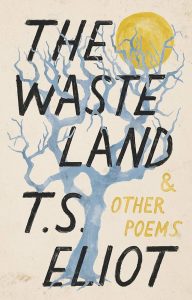
T. S. Eliot’s The Waste Land demonstrates a very different use of allusion. Instead of organising narrative structure, the poem layers fragments from a wide range of cultural and literary traditions. References to Dante, Shakespeare, classical myth, the Bible and Eastern philosophy appear abruptly, often without any indication of their source.
Eliot famously added explanatory notes to the poem. These notes form part of the work’s paratext and exert a strong influence on how readers approach the poem. At the same time, critics have long observed that the notes neither stabilise the poem’s meaning nor offer a reliable guide to interpretation. They redirect attention, sometimes narrowing and sometimes complicating the reader’s response.
The effect is a poem saturated with cultural memory, yet haunted by fragmentation. Allusions collide rather than harmonise. The reader experiences a landscape of broken continuity, where inherited narratives survive only as partial echoes. In this case, allusion becomes a way of staging cultural exhaustion while keeping earlier traditions insistently present.
Neverwhere and Urban Semiotics as Allusion
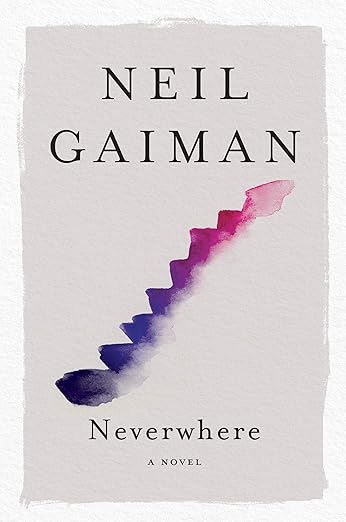
Neil Gaiman’s Neverwhere offers a subtler and highly instructive variation on allusive practice. Rather than drawing primarily on earlier literary texts, the novel alludes to London’s own linguistic and historical layers. Underground station names become narrative generators. Earl’s Court appears as a literal feudal court. Blackfriars evokes religious authority. Knightsbridge produces knights guarding a bridge.
This technique moves beyond playful word association. The hidden histories embedded in London’s place names operate as a cultural archive. Geography itself becomes a source text. Readers familiar with the origins of these names encounter a deeper correspondence between space, power and memory. The city reveals itself as a palimpsest of social histories, institutions and forgotten meanings.
Allusion in Neverwhere therefore functions spatially. The city performs the role that earlier literary works play in Joyce and Eliot. Urban language becomes myth, and infrastructure becomes narrative.
Allusion and Character Consciousness in Son of the Axe
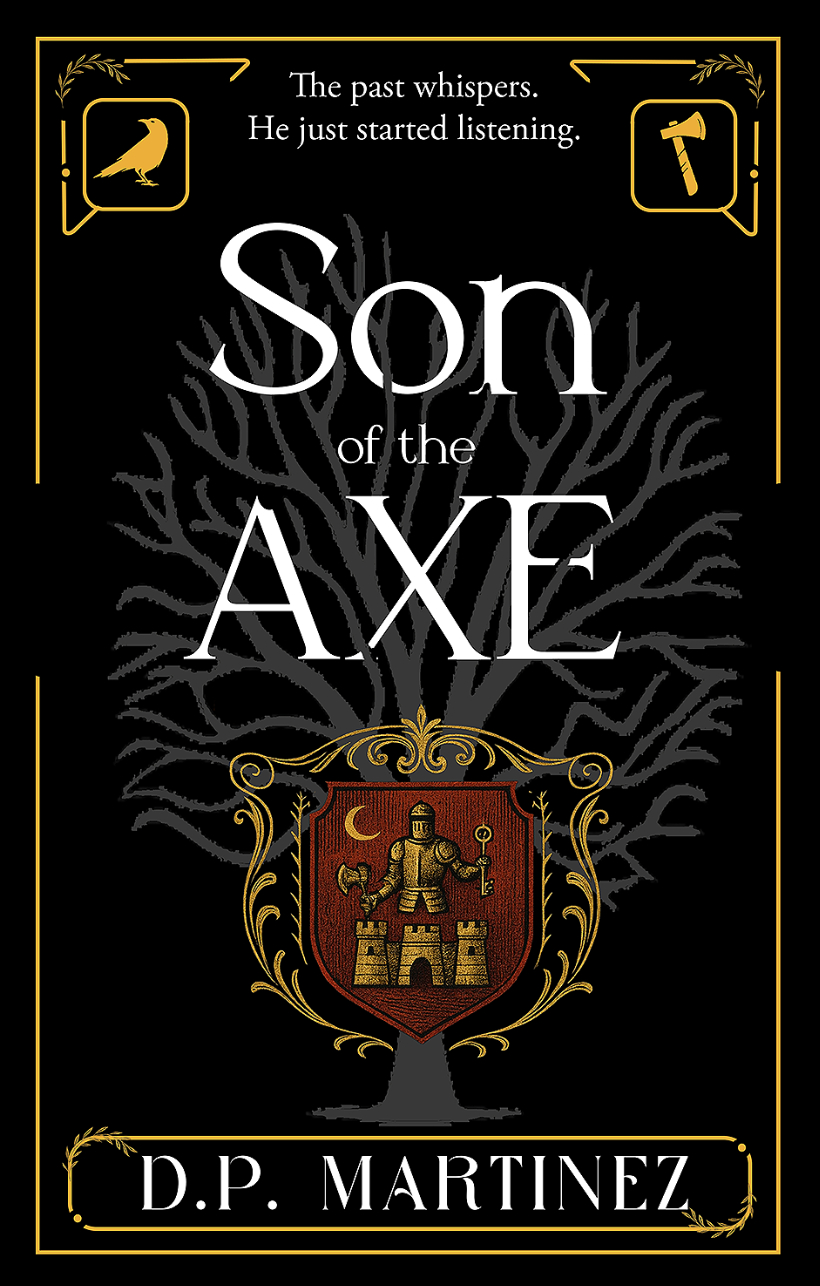
In my novel, Son of the Axe, allusion operates on a more intimate scale.
Jacob, the protagonist, reads and writes short stories. Literature forms part of how he interprets experience and shapes his emotional vocabulary. Many chapters in the novel carry the title of a well-known short story, book, or book chapter. The connection between the chapter and its source text remains unstated throughout the narrative.
For many readers, these titles function simply as atmospheric labels. For readers who recognise the referenced stories, however, the chapter titles quietly frame the emotional and ethical tensions unfolding in that section of the novel. The thematic structure of the original story echoes through Jacob’s present dilemmas.
This placement is deliberate. The allusions appear in the chapter headings rather than within the narrative voice itself. They operate as paratext, shaping how the chapter is approached without intruding into the story world. Through this framing, Jacob’s inner life becomes indirectly associated with a wider tradition of short fiction. His present experiences appear filtered through literary memory, even though the narrative remains grounded in his immediate reality.
In practical terms, this technique produces unmarked paratextual intertextual allusion. Recognition remains optional, but interpretation subtly shifts for readers who notice the pattern. The titles never carry information necessary to follow the plot. They provide an additional lens through which character psychology and thematic resonance can be understood.
Why Allusions Still Matter in Contemporary Fiction
Allusions continue to play an important role in modern storytelling because they compress meaning while preserving narrative openness. They allow writers to position their work within literary and cultural lineages without interrupting narrative flow. They also provide a way of enriching character consciousness, thematic depth and symbolic structure without overt commentary.
Perhaps most importantly, allusions protect the reader’s interpretive agency. Recognition remains a private act between reader and text. Some readers encounter only the surface narrative. Others discover additional layers shaped by their own reading histories and cultural knowledge. Both experiences remain valid.
Across very different works, the underlying function remains strikingly similar. In Ulysses, classical epic quietly structures modern life. In The Waste Land, fractured cultural memory presses against a disoriented present. In Neverwhere, the buried meanings of London’s language transform urban geography into myth. In Son of the Axe, short-story titles frame a character’s inner world through an inherited literary imagination.
Stories speak to other stories, often without drawing attention to the exchange. Allusion allows literature to remember itself, while still leaving space for new voices to reshape that memory for contemporary readers.

D.P. Martinez is a contemporary fantasy author specialising in urban fantasy and magical realism. He holds an M.A. in English Literature from the University of Greenwich, where he focused on Literary London. His research explored metaphorical representations of London in urban fantasy. He has written hundreds of articles and several books across both fiction and non-fiction.