

Choosing your next fantasy read is oddly stressful. Too many options, too many recommendations, and half the time you’re promised life-changing epic fantasy and get 800 pages of setup instead.
These three trilogies avoid that trap. They grab you early, refuse to let go, and quietly rearrange your expectations of what fantasy can do. Different tones, different ambitions—but all three deliver the kind of reading experience where you check the clock at 2 a.m. and briefly question your decision-making.
1. The Shadow of the Leviathan — Robert Jackson Bennett
If you like your fantasy tense, sharp, and a little unsettling, this trilogy is hard to beat.
On the surface, The Shadow of the Leviathan reads like a dark fantasy mystery: strange deaths, political power plays, and an empire that feels one bad decision away from collapse.
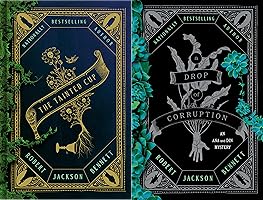
Underneath that, something older and more dangerous is pushing at the edges of the world. Bennett doesn’t rush to explain it—and that restraint matters.
What makes this trilogy work isn’t just the cosmic threat. Plenty of books flirt with eldritch horror. The difference here lies in how grounded the characters remain while facing it. Decisions feel costly. Alliances shift for believable reasons. Nobody survives on plot armour alone.
Bennett’s dialogue deserves special mention. Conversations carry weight. Characters reveal themselves in what they refuse to say as much as in what they do. The result feels intelligent without slipping into coldness, grim without becoming nihilistic.
This is fantasy that treats power seriously—political, supernatural, and personal. If you enjoy stories where mystery drives the plot and the answers complicate everything rather than tidying it up, this trilogy belongs high on your list.
Best for readers who like: dark fantasy, moral ambiguity, slow-burn revelations, and worlds that feel fundamentally unsafe.
2. The Farseer Trilogy — Robin Hobb
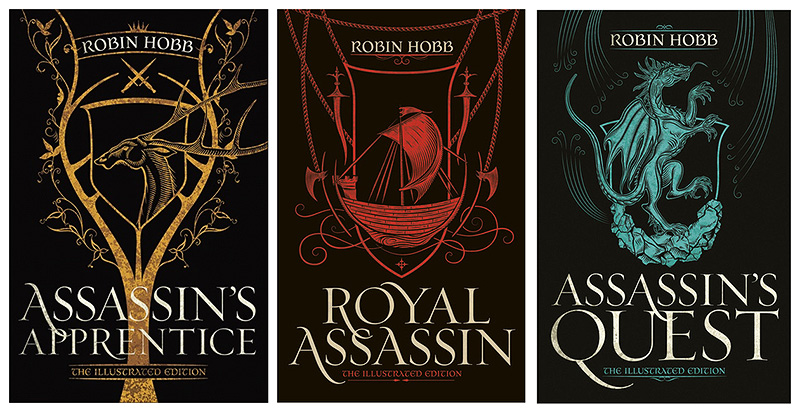
Hobb’s focus stays firmly on inner lives: loyalty, shame, love, and the slow accumulation of regret. Battles happen, kingdoms tremble, and magic exists—but none of that is treated as the point. The point is what it costs to survive in systems built without you in mind.
Worldbuilding here unfolds quietly. You learn the Six Duchies through relationships, not lore dumps. Magic feels intimate and dangerous, less a tool and more a vulnerability. When things go wrong, they go wrong in ways that feel emotionally honest rather than narratively convenient.
Some readers struggle with Fitz because he doesn’t always make good choices. That discomfort is part of the design. Hobb resists the fantasy urge to reward suffering with greatness. Pain leaves marks. Trauma lingers. Growth happens unevenly.
This trilogy rewards patience and emotional investment. It doesn’t rush, and it doesn’t soften its consequences. Few fantasy series understand character the way this one does.
Best for readers who like: character-driven fantasy, introspection, long emotional arcs, and stories that trust silence as much as spectacle.
3. The Mistborn Trilogy — Brandon Sanderson
The original trilogy—Mistborn: The Final Empire, The Well of Ascension, and The Hero of Ages—starts with a deceptively simple premise: overthrow the Dark Lord. That premise unravels fast.
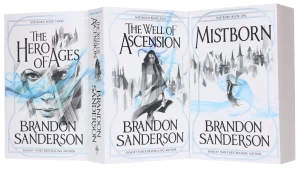
Sanderson builds one of the most recognisable magic systems in modern fantasy, where abilities are governed by clear rules and meaningful limitations. Allomancy doesn’t exist just to look cool. It shapes politics, economics, warfare, and belief itself.
What makes the trilogy memorable, though, isn’t just the mechanics. It’s the way each book reframes what you thought you understood. Victories carry unintended consequences. Revelations force characters—and readers—to reinterpret earlier events. The story keeps asking whether revolution actually ends oppression or simply rearranges it.
The pacing stays tight, the stakes escalate cleanly, and the endings land with purpose. Sanderson plays fair with his twists. The clues are there, even when you miss them.
This trilogy helped define what many people now think of as modern epic fantasy: structured, fast-moving, and ambitious without becoming impenetrable.
Best for readers who like: intricate magic systems, political upheaval, plot-driven storytelling, and finales that actually commit.
Three Trilogies, Three Visions of Fantasy
Taken together, these series show just how wide fantasy’s range really is.
- Bennett explores power and mystery through danger and restraint.
- Hobb examines identity and pain through deeply human characters.
- Sanderson interrogates systems—magical and political—through action and consequence.
None of them rely on nostalgia. None of them feel interchangeable. Each one understands its own priorities and executes them with confidence.
If your reading list feels stale, starting with any of these trilogies is a good way to remember why fantasy remains one of the most flexible and emotionally resonant genres around. Just don’t be surprised if you keep turning pages long after you meant to stop.
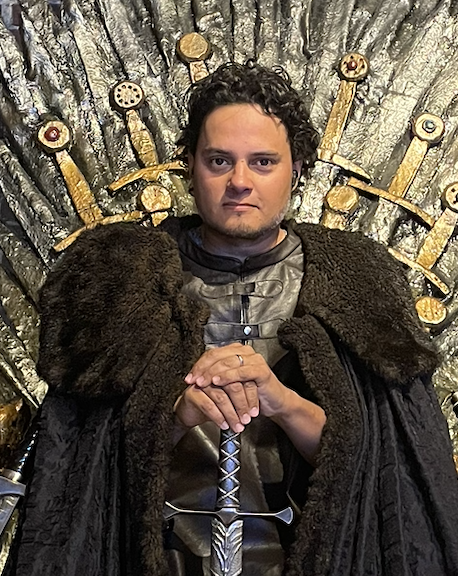
D.P. Martinez is a contemporary fantasy author specialising in urban fantasy and magical realism. He holds an M.A. in English Literature from the University of Greenwich, where he focused on Literary London. His research explored metaphorical representations of London in urban fantasy. He has written hundreds of articles and several books across both fiction and non-fiction.